Featured

Who Manages Sport

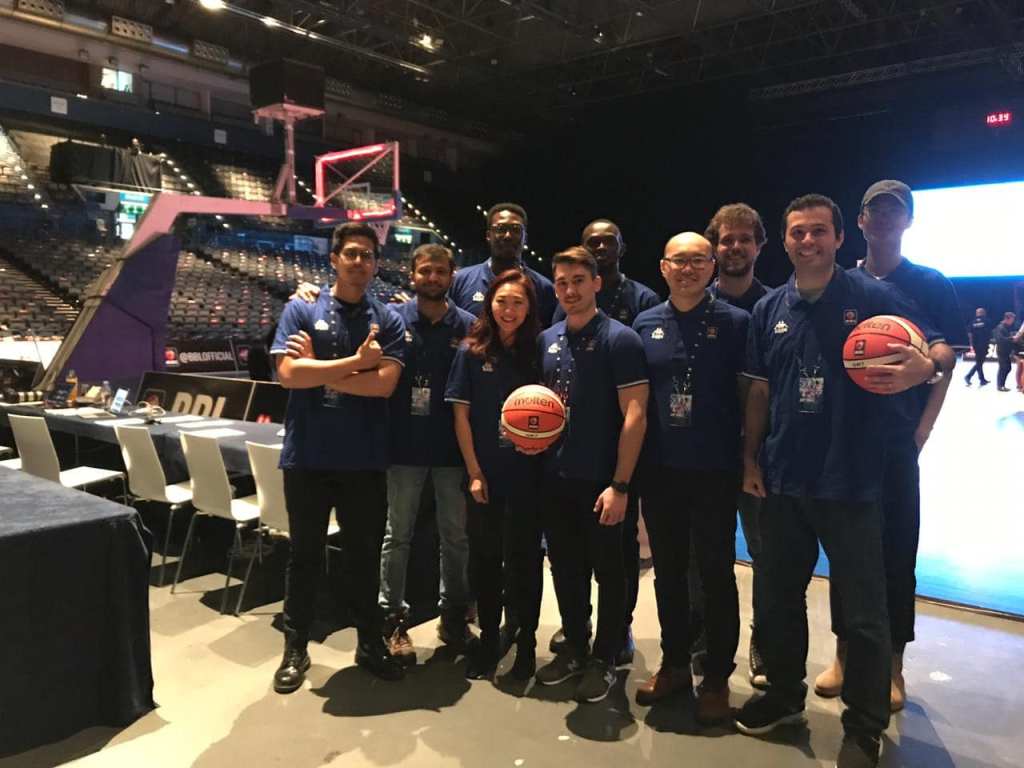
Management team behind the 2019 British Basketball League (BBL) Final.
New Trend

In the recent past decades, notable sport organizations, especially football clubs and teams worldwide, have introduced a new portfolio in their playing teams’ coaching human resource hierarchy – Managers. These people used to be referred to as Head Coaches. By this change, they (Managers) are given more roles and responsibilities beyond getting players ready for match days. A Manager isn’t only tasked with athlete training and development and the selection of match day line-ups but is, in most cases, required to join club management team members to make key team and club decisions.

This sport leadership innovation has bridged the gap between the playing and management teams of most professional sport clubs. What then is the relationship between sports management and managing sports and how do they impact the development and promotion of sports?

Sport Management

Sports management encompasses the governance, business and administrative facets of sports. The focus of sports management extends beyond the playing field and considers areas such as sports finance, sports marketing and promotion, sports facilities management, and sports events planning.

It covers the planning, organizing, leading and controlling of resources around a sports value chain to ensure that entities that have invested in sports receive value and good return on their investments. Sports management also looks at the consumers of the sports product and how the experience and impact of sports can be enjoyed with very little distractions. In other words, sports management bridges the gap between the sports investor and the sports consumer by churning raw sports investment into something that can be enjoyed by the people sports is created for.

In professional sports, sports management is key in areas such as contract negotiation for athletes, human resource management (coaches and other professional), management of leagues and competitions, organization of major and mega sports, events and the day to day running of sports organizations.

Managing Sports

Managing sports, which is another key area in the sports industry, refers to the act of leading and directing athletes, sports teams and sport playing bodies towards set goals. Managing sports unlike sports management, involves making strategic decisions related to the development and performance of an athlete or a sport playing team, such as selecting and training players, player and team fitness and wellbeing, creating game plans, and making decisions about team strategy during games.

Managing sports concentrates efforts on the outcomes on the playing field.  It involves process of coaching and leading athletes and sports teams through the creation and maintenance of harmony within teams, building honest relationships between the players and coaches, and being extremely perceptive to everything that is going on in the team. It includes setting goals, developing strategies, and overseeing the training and performance of team members.

Both sports management and managing sports require unique leadership skills to be successful. A combination of communication skills, people management skills, analytical skills and flexibility, as well as knowledge of the sport and the business of sports is key.

Looking Into The Future

Though the two concepts are related, they cover distinct aspects of the broader sports industry and require some specific technical and professional skill sets and licenses at certain times to achieve their goals.

To deliver a good sport experience to the fans and audience of any sports product, while ensuring favorable return on investment to investors and partners in sports, the functions of sport management and managing sports must be well defined and professionally executed.

Sweat Away the Stress!

Mental Health is one of the top 10 most difficult topics to discuss in modern homes. It forms only 0.5% of all office discussions, falling behind relationships, pay rise and difficult bosses, despite the high number of work-related mental health problems. World Health Organisation estimates that close to 800,000 people commit suicide, with even more attempting it. A major cause of suicide is depression which is one of the most prevalent mental health issues. This article will examine how participation in sport activities regularly can help to manage mental health disorders and their accompanying problems.

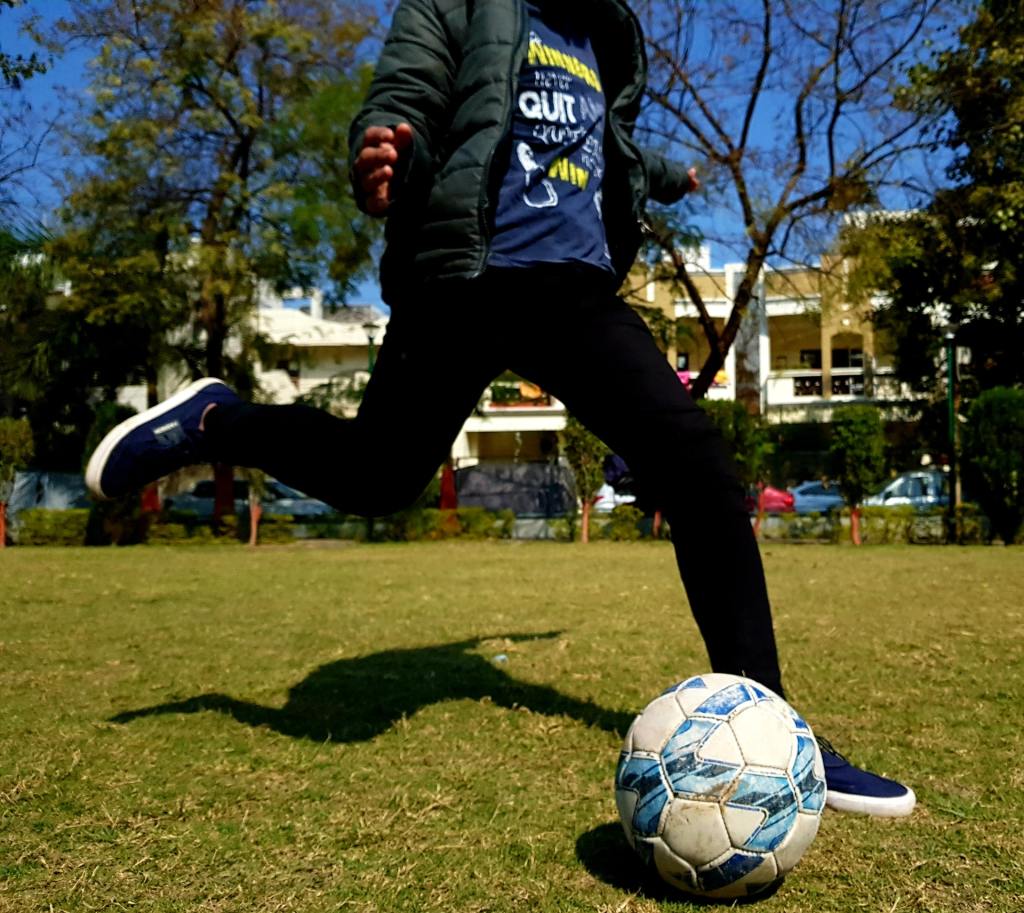
kick away the anxiety!!!!!

A healthy mind resides in a healthy body. There is overwhelming evidence supporting the efficacy of exercise in the treatment of clinical depression. By exercising, anxiety is moderately reduced, and physical self-perceptions and self-esteem improves. There is also now good evidence that aerobic and resistance exercise enhances mood states. Together, this body of research suggests that moderate regular exercise should be considered as a viable means of treating depression and anxiety and improving the mental well-being of the public. Numerous forms of sport activities provide these exercise forms needed to maintain a good mental health. Physical exercise is helpful in the following ,

Manage Depression and Anxiety

Described as ‘a wonder drug’ in preventing and managing mental health, exercise has been prescribed by may GPs for depression. Patients are prescribed forms of physical activities/exercises for the treatment and management of depression. These activities can be done on their own or in combination with other treatments for enhanced results in more advanced cases. Physical exercises like jogging and skipping ropes releases endorphins, the ‘feel good’ hormones that helps the body deal with pain and stress and act as happiness boosters

Reduce Stress

“It is easier and healthier to sweat the stress away”, one working adult who plays tennis on weekends commented on a research questionnaire. Research has proven that being regularly active has a beneficial impact on alleviating stress. Regular exercise can contribute to concentration in working adults and thus helps one make better decisions when under pressure. A survey on a group of working adults showed that active people tend to have lower stress rates compared to those who are less active. The focus and stamina needed in Boxing and Cycling diffuses traits of stress in adults who participate.

no stress, just smiles!!!!!!!!

Increase self esteem

How good it feels to accomplish a kilometre jog target!!! Apart from the physical health advantage, exercise has a big impact on our self-esteem. Self-esteem is a key indicator of mental health; psychologist can know how high or low it is based on one’s self-esteem. People with high self-esteem can cope better with stress and thus improves their relationship with others. The feel-good factor in losing weight after months of physical exercise helps increase self-esteem for other personal goals.

Bring it on!!!

A positive mood is a great tool for fixing any situation, and exercise has an impact on positive mood. Take that decision to add regular exercise to your routine today and you will be amazed at how much better you feel!!

My Very First Kick………

It is always a delight to write about great moments in Sports. Call me Mensahh. For my first blog, I will introduce myself, my passionate journey in Sports so far and the areas I will share my thoughts on. This is the beginning of a beautiful journey and I am glad to have you along. Do stick around and let us learn together as we share in a universal passion – SPORTS

As a young boy in school, being on the School Sport team was the most fulfilling adventure. I got to travel with the sports team across the country, meeting other student athletes who were both academically brilliant and good on the field of play. It was always a joy to wear the colours of my School to represent the values of my institution. No feeling could be compared to lowering your head for a medal when you had played to the rules with passion and won with your team mates.

It never came to me as a surprise that Physical Education was the only class I ever topped. It was always a delight fixing the goalpost net in preparation for home matches, setting out the hurdles for athletic events and cheering up athletes during games that i did not participate in. My passion for sport has grown throughout my academic years. Playing sports, I learnt the lessons of teamwork, the strength to accept defeat and the humility to celebrate your wins knowing it is only a call to do and be better at the next game. Knowing my personal connection with sports, I have developed the passion at any opportunity, either playing, organising, or cheering. I Play Field Hockey, Basketball, Football and Table Tennis.

My Love for sports took a different turn when during my University days. My play time reduced when I became more enthused about organising sports events and competition. My attention moved from on the field play to watching from the top to know that fans and players enjoyed sports. Planning, organising, leading and controlling resources to ensure that sports events were successful became a new passion, and more so i was still around sports. As a Management student, that was a good opportunity to get things done through people in sports.

I have had great moments in sports, both as a young school team player and a sport event organiser. After my MSc. Sports Management program I learnt that passion alone will not get results in sports unless it is backed with practice, commitment and resilience and other scientifically proven theories. It is these and other valuable lessons that sport teaches that I will be sharing with my community.

I will write both as a passionate young team player and a professional Sports Management Consultant who enjoys every bit of my work and my passion. Join me at this point of my journey to explore the best options in sports, its management and how we can get the best out of it. KEEP READING.